
A Guide to Stewarding Your Property
Why should I steward my own property?

While the stewardship of our conservation areas and easements is incredibly important, protecting the natural areas of Skagit County actually starts at home with you! Making your yard or garden more environmentally friendly has numerous benefits. It can provide habitat for wildlife, create wildlife corridors between urban areas and wild spaces, conserve our water resources, and limit the spread of invasive weeds – which are often unintentional escapees from peoples’ gardens.
We’ve compiled a list of tips and resources to help you actively manage your property. Whether you’re just getting started or looking to take on some more site-specific stewardship tasks, this guide should help point you in the right direction!
Get to Know Your Property

Understanding your property and the surrounding area is the most important step towards stewarding your land. Spend some time observing what the plant community and geographic features are in and around your property. Are you surrounded by urban areas and gardens? Is your property forested or bordering a creek, river, or the coast?
These features can tell you a lot about how best to care for your property for the benefit of wildlife and to protect our natural resources. Looking at aerial images such as those on Google Maps can give you a more cohesive understanding of how the location of your land plays a role in the ecosystems of Skagit County. Most mapping programs also have a terrain view that lets you see contours in the landscape on your property.

Remove Invasive Species
The first step in any restoration project is to identify the invasive species on your property and come up with a plan to remove them. Invasive plants are plant species that can overtake native species in an ecosystem. Some invasive species are designated noxious weeds, which are especially harmful invasive plants that are monitored and controlled on a county, state, or federal level. Noxious weeds can fall into 3 different categories depending on the severity of the threat they pose to people, livestock, and the environment. For some noxious weeds the State or County may require you to remove them from your property. For more information about noxious weeds, please consult the Washington State Noxious Weed Control Board (WNWCB) or the Skagit County Noxious Weed Control Board.
Plant Native and Non-Invasive Species
Replacing invasive species in your yard with native alternatives can be incredibly beneficial for wildlife and the environment, and many of our native species are just as beautiful! However, deciding which plants are most appropriate and where to get them takes a bit of research.
Luckily, there are several native plant nurseries in and around Skagit County. Not only are they a great place to get native plants, but they also have wonderful resources to help you choose the right plants and teach you how and when to plant them. The Washington Native Plant Society provides updated lists of where to buy native plants in your area. Additionally, the Washington State Noxious Weed Control Board has a great booklet that includes common invasive species and what native or non-invasive plants you can replace them with in your garden.

Increase Wildlife Habitat
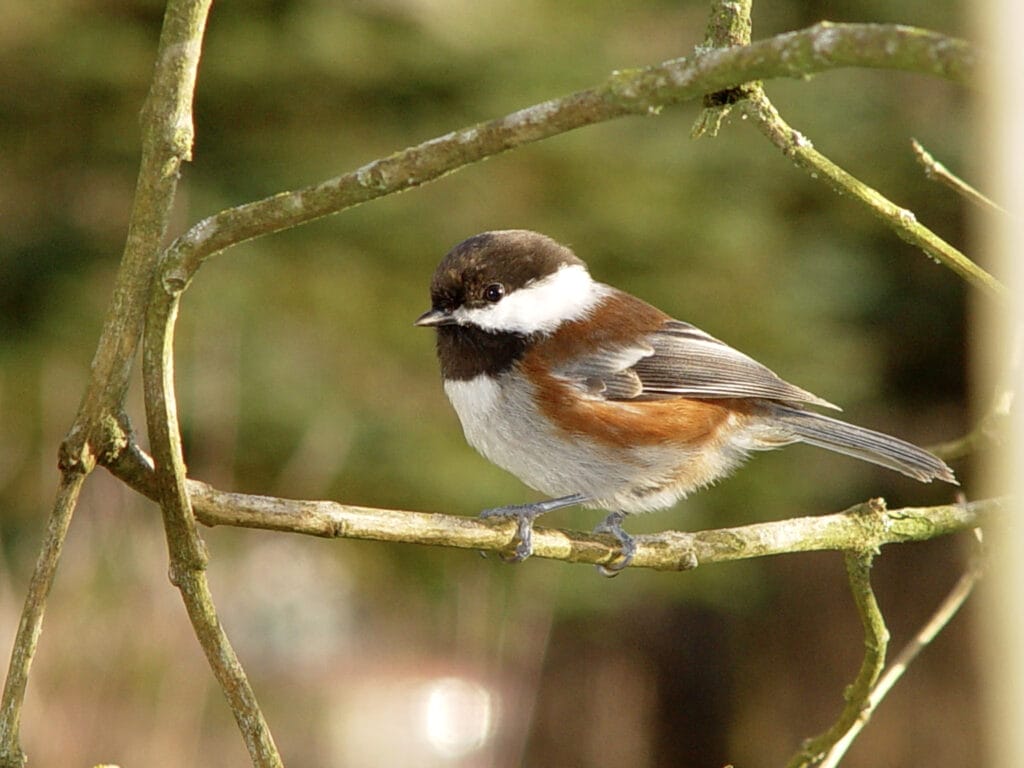
Planting certain native species can make your yard more attractive to specific animal species. Additionally, the layout of your yard and inclusion of things such as bird baths, logs/stumps, and other features can improve habitat. Below are just a few resources that can help you get started on making your garden wildlife friendly! Additionally, you can get your yard certified as backyard habitat through the National Wildlife Federation.
Make a Rain Garden
A rain garden can help preserve our water resources, prevent runoff, and reduce pollution. The Skagit Conservation District has a rainscaping brochure that offers a good introduction to this subject.
Compost
Composting at home has numerous benefits. Not only does it reduce the waste you send to landfills, but compost is a wonderful way to tend to your garden as an alternative to chemical fertilizers, and can even improve soil within tended gardens on your property. Think carefully about where to place compost piles – make sure to avoid impacting sensitive areas like wetlands. Skagit County provides some great tips for composting at home and even offers workshops on occasion.
What is the best stewardship strategy for my property?
While any of the above ideas could be implemented on your property, some stewardship tactics and projects may be more or less beneficial depending on the location and characteristics of your property. Find the category that best describes your property below to find more detailed information and resources for how to manage it.
Forest
Whether you own a working forest or own forested land that you do not plan on harvesting, managing forested properties requires planning. Forests are incredibly important for wildlife and our water systems. Below we have listed a few helpful resources and organizations for you to consult as you start planning the stewardship of your forest.
Shorelines
If you live next to a body of water – be it the coast, a lake, river, or stream, there are special things you have to consider when stewarding your property. One of the most crucial considerations for shoreline properties is maintaining a vegetated riparian buffer. This is essentially an area with native vegetation between the body of water and the rest of your property or any other area with high human use or disturbance. Having native vegetation in this area provides habitat for wildlife and also helps protect the water quality of the adjacent body of water by filtering out pollutants, providing shade to maintain cooler water temperatures, and preventing soil erosion.
Please consult the WSU Extension Shore Stewards Guide for Shoreline Living for additional information. This booklet provides wonderful, detailed information about the many factors to consider with shoreline living. We’ve highlighted just a few below, but strongly recommend using the booklet as a resource!
Urban
One of the best things you can do if you live in an urban area is provide habitat for wildlife. Urban areas often act as a food and habitat desert for many species due to the lack of vegetation, safe places away from high traffic human areas such as roads and sidewalks, and reduced connectivity to ideal habitat. By stewarding your urban garden, you can help create a safe oasis for wildlife such as birds, insects, and mammals that pass through or reside in your neighborhood. Please view the ways you can increase wildlife habitat in your urban garden listed above.
Agricultural
Agricultural properties play a huge role in providing the people of Skagit County with food. By protecting the natural resources on your property, you can ensure longevity of the success of your land while also protecting the many species that call Skagit County home.
The U.S. Department of Agriculture has compiled a number of resources to help you manage your agricultural property while protecting native ecosystems.
Other Resources
Your property is unique and will require a unique stewardship plan that fits you and your land. Depending on the size/scale and property type you are restoring, it may be useful to seek out additional trainings and information. Below are some other resources that may also be useful to you.
- The Northwest Invasive Plant Council often hosts workshops, trainings, and other events. Check out their website to learn more!
- The book Nature’s Best Hope: A New Approach to Conservation that Starts in Your Yard by Douglas W. Tallamy
- The Washington Native Plant Society holds regular programs about native plants and communities.